

BOOK LAUNCH SUCCESS: CAPITAL, PRIVILEGE AND POLITICAL PARTICIPATION
Overcoming barriers to political participation is at the heart of the John Smith Centre’s mission to help young people, especially those from underrepresented backgrounds, step into roles in public service.
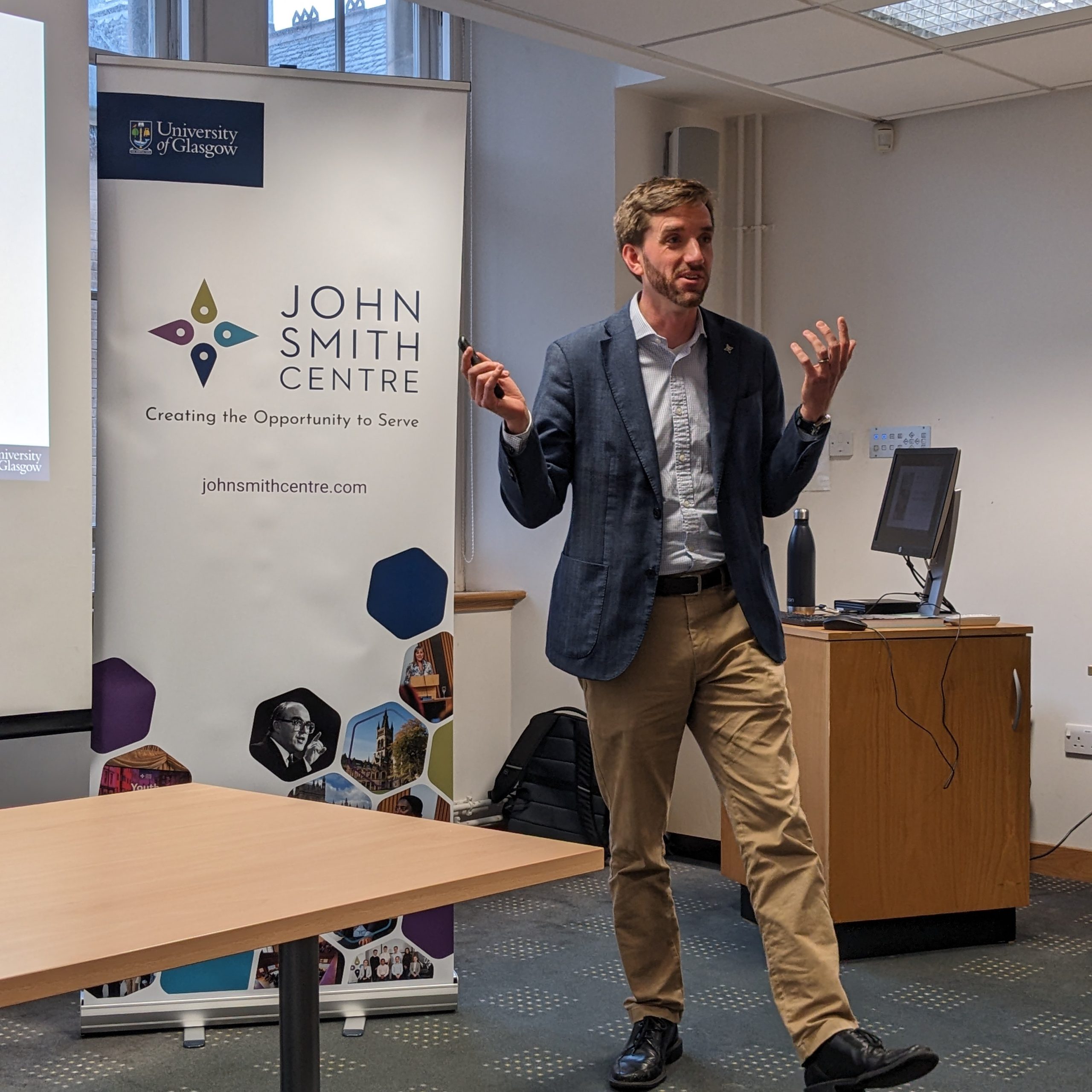
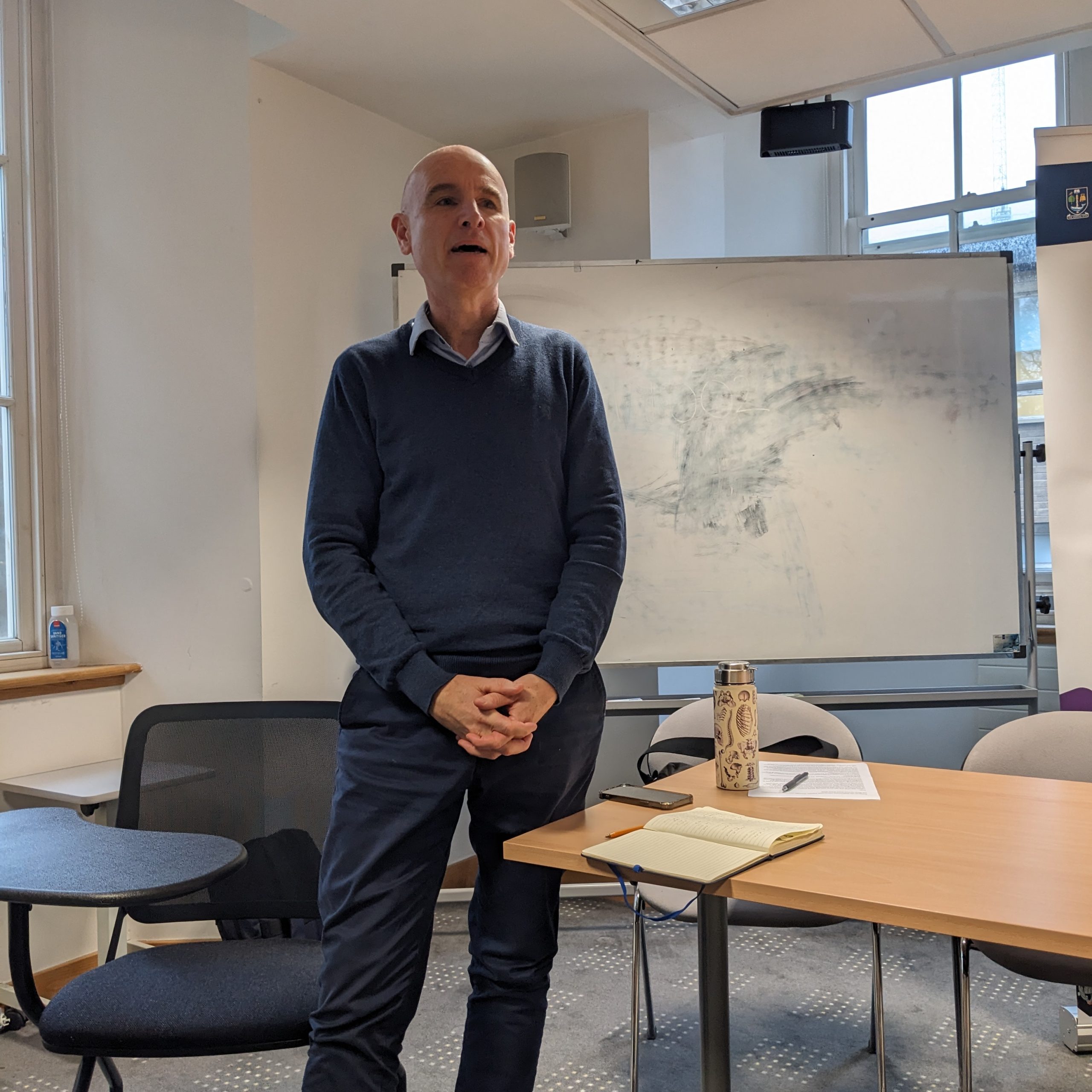
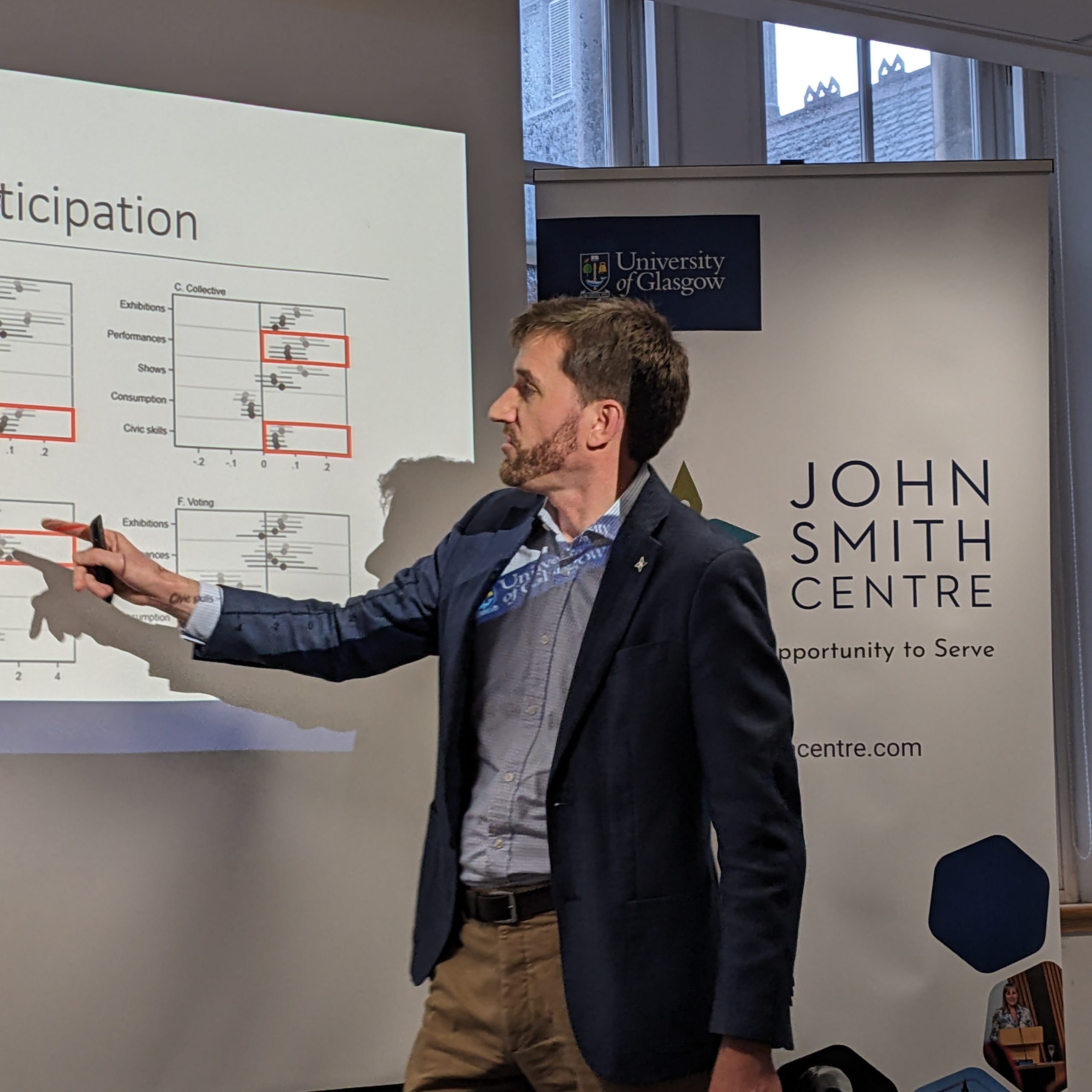
Those barriers are also a key focus of my new book, Capital, Privilege and Political Participation, so I was delighted to launch it in my new role as a Lecturer here at the Centre. Attended by staff, students and members of the public, the launch was a great opportunity to discuss the findings of the book and their implications for making political participation more open and less unequal.
The event highlighted the role that people’s cultural tastes and pastimes play in political participation. For example, people who enjoy attending exhibitions and performances of classical music and opera are more likely to undertake some political acts, whilst people who enjoy consumption-based pastimes like shopping for pleasure and eating out are less likely to participate in other political acts. The event also showed the importance of perceptions for political participation. Particularly, people who perceive the role of privilege in society are more politically active whilst those who see politics as highly privileged are unsurprisingly less involved in it. At the same time, people are much more likely to perceive the role of privilege in society and politics than in their own lives and are uncomfortable with acknowledging that they are anything above the ‘comfortable middle.’
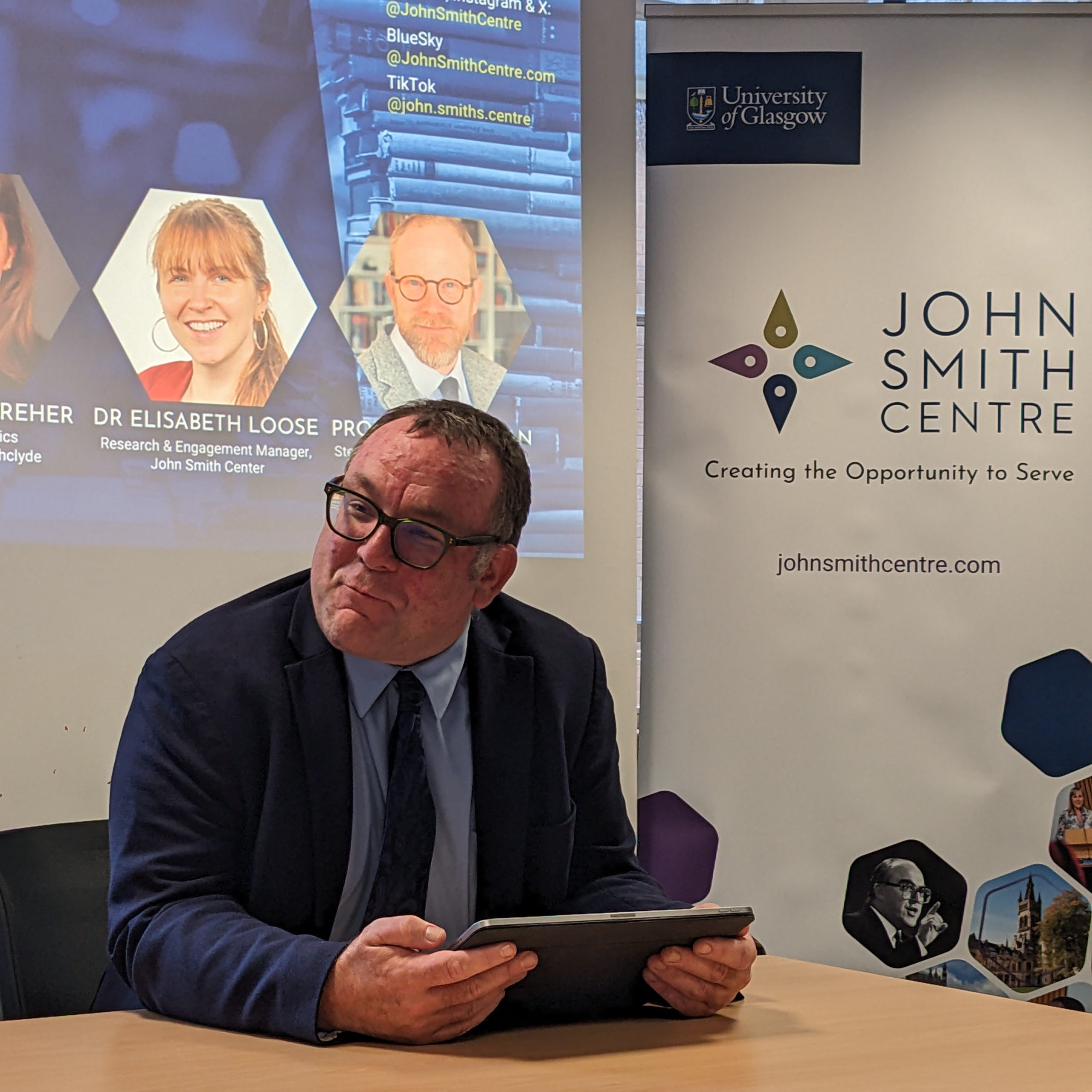
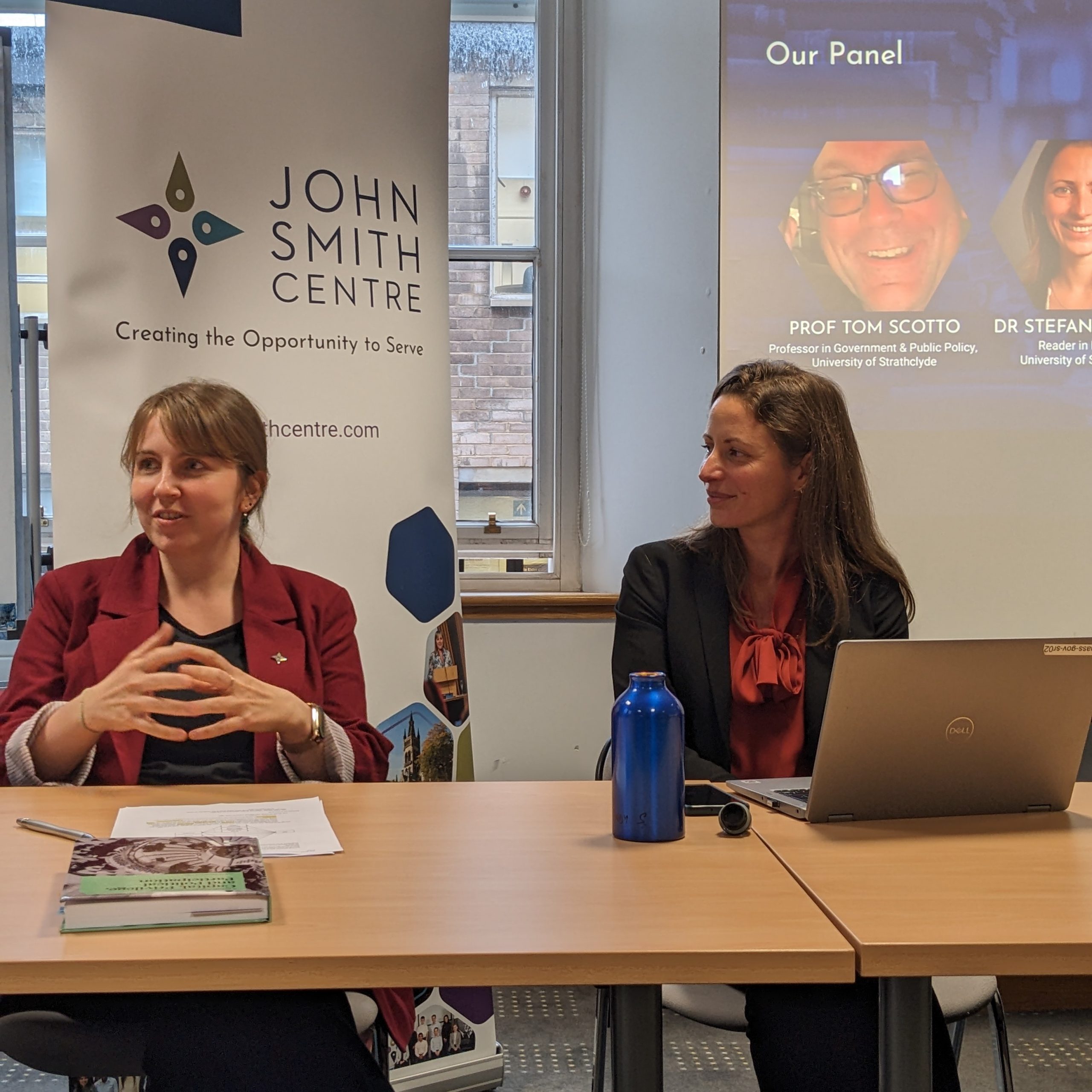
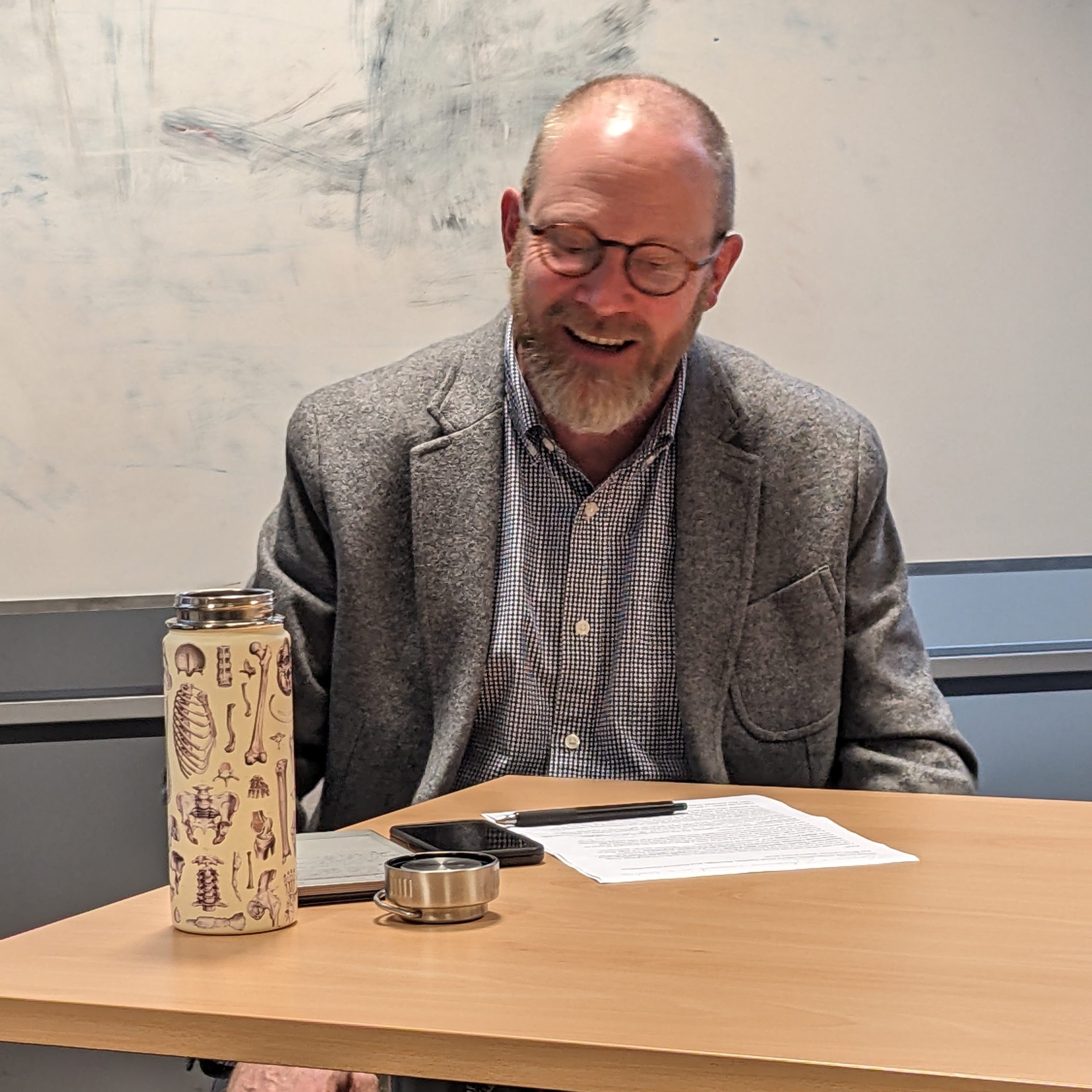
Crucially, the voices of people with low levels of participation were also considered, and particularly the emphasis that they place on lack of time, money and confidence as key barriers to their participation. These barriers, and the findings of the book more generally, provided the basis for an excellent discussion, in which I was delighted to be joined by Professor Tom Scotto and Dr Stefanie Reher from the University of Strathclyde, Dr Elli Loose from the John Smith Centre, and Professor Chris Carman from the University of Glasgow. Their comments focused on the book’s introduction of under-studied sociological and psychological theories into the study of political participation, the novel and interesting finding that cultural pastimes relate to such participation, links to the John Smith Centre’s recent UK Youth Poll findings, and its focus on non-participants through interviews with them.
Building on the comments about the book itself, there was also useful and invigorating discussion stemming from the question-and-answer session with the audience. A key theme that emerged was the difficulty of overcoming barriers to participation, even when people seem to agree on what the solutions are. For instance, consistent and extensive civic education was commonly identified as an important tool to ensure that everyone has the knowledge and skills that are needed to do politics. However, it can be challenging for policymakers to overcome ideological differences to agree a curriculum for civic education, and there is also a risk that political actors will use power to institutionalise their ideologies in the content of civic education. In other words, we might be worried that those we disagree with can push through a kind of civic education that we do not support.
'A key theme that emerged was the difficulty of overcoming barriers to participation, even when people seem to agree on what the solutions are.'
Similarly, outreach activities by politicians and political institutions are supported by many as a way to make it easier to get involved. However, such activities are increasingly beset by risk as people involved in politics confront open hostility and even violence from some members of the public. This is to the extent that some politicians now wear stab vests when meeting the public, which should cause pause for thought. This is especially because such risks are not equally focused on all politicians and, for example, women and people from minoritised races and ethnicities are especially subject to threatening behaviour and abuse. This raises questions of how to make politics open and accessible whilst protecting the safety of those who are already actively involved in it.
The question of how to address the link between cultural activities and political participation was also raised. Is this about ensuring that everyone has enough familiarity with a variety of cultural pastimes to get involved in politics, or is it about breaking the link such that a sub-set of cultural activities no longer enable political participation? Or, as one panellist put it, is this about sending everyone to the opera or making sure that you do not need to go to the opera to do politics? I lean towards the latter option because of the need for those who practice politics to be diverse, including in terms of their cultural tastes and pastimes. However, that is not to take away from the necessary and valuable work that many arts and cultural institutions do to make themselves open and accessible to diverse audiences. So perhaps the answer is that both options hold value.
Finally, the link between cultural preferences and political participation prompted an additional question from the audience: does one of these things cause the other? So, does having particular cultural tastes and preferences enable political activity, or are the two things linked for other reasons such as class-based socialisation? The book reflects on this conundrum but cannot answer it. Similarly, it prompts questions of how cultural preferences and political activity might be related in other countries but cannot answer them. As Dr Reher highlighted, the prominence of private and elite education as an explanation for the link might suggest something specific to the UK. This also means that the role of perceptions of privilege highlighted by the book might reflect a gap between the profiles of elected representatives and the population that is specific to the UK. Thus, the common refrain amongst the public that politicians are ‘nothing like us,’ is likely to mean different things in different places. Fortunately, I am pleased to say, I am already working on research about the impact of elected representatives’ cultural tastes and preference, and how they impact on public perceptions of politics in multiple countries. So, watch this space!
Capital, Privilege and Political Participation can be bought with a 35% discount (using code Greenwood-Hau35) via this link until Friday 14 November 2025.
Capital, Privilege and Political Participation can be bought with a 35% discount (using code Greenwood-Hau35) via this link until Friday 14 November 2025.

Contribute
Share your research & insights with the world—submit your idea to our Research & Insights platform and reach a broader audience.
Submit Your Ideas